What is a Good Water Hardness Number?
When it comes to the quality of our drinking water, one aspect that often goes unnoticed but is crucial to understand is water hardness. But what exactly is water hardness, and how can we determine what constitutes a "good" water hardness number? In this article, we will dive deep into the world of water hardness, exploring its definition, measurement, and what level of hardness is considered optimal for various purposes.
Discover how to optimize your water softener's performance by understanding the ideal water hardness level - water softener hardness level.
Understanding Water Hardness
Water hardness pertains to the content of dissolved minerals found in water, primarily consisting of calcium and magnesium ions. These minerals occur naturally in the Earth's crust and have the potential to seep into groundwater reservoirs. As water makes its way through layers of rocks and soil, it accumulates these minerals, resulting in a spectrum of water hardness levels.
Types of Water Hardness
Water hardness can be categorized into two main types:
- Temporary Hardness (Carbonate Hardness): This type of hardness is caused by the presence of bicarbonate minerals, primarily calcium bicarbonate and magnesium bicarbonate. Temporary hardness can be reduced by boiling the water, causing the minerals to precipitate out.
- Permanent Hardness (Non-Carbonate Hardness): Permanent hardness is due to the presence of non-carbonate minerals like calcium sulfate and magnesium chloride. Unlike temporary hardness, permanent hardness cannot be removed by boiling and may require other treatment methods.
Measuring Water Hardness
Measuring water hardness is a fundamental process that helps us understand the mineral content in our water supply. This knowledge is crucial for various applications, from ensuring safe drinking water to preventing scale buildup in appliances. The two common units for measuring water hardness are "grains per gallon" (gpg) and "milligrams per liter" (mg/L), with a conversion factor of 17.1, where 1 gpg equals 17.1 mg/L of calcium carbonate.
The United States Geological Survey (USGS) Classification
The USGS has established a widely accepted classification system for water hardness:
- Soft Water: This category encompasses water with a hardness level ranging from 0 to 3.5 gpg (0 to 60 mg/L). Soft water is gentle on the palate and generally preferred for drinking.
- Moderately Hard Water: Water within the range of 3.5 to 7.0 gpg (61 to 120 mg/L) falls into this category. It's still suitable for drinking but may leave some mineral residue.
- Hard Water: Hard water falls within the 7.0 to 10.5 gpg (121 to 180 mg/L) range. While not ideal for drinking due to its taste, it can be suitable for other purposes, depending on the context.
- Very Hard Water: Water with a hardness level exceeding 10.5 gpg (over 180 mg/L) is classified as very hard. This type of water can taste quite mineral-rich and is generally not recommended for drinking.
Testing Water Hardness
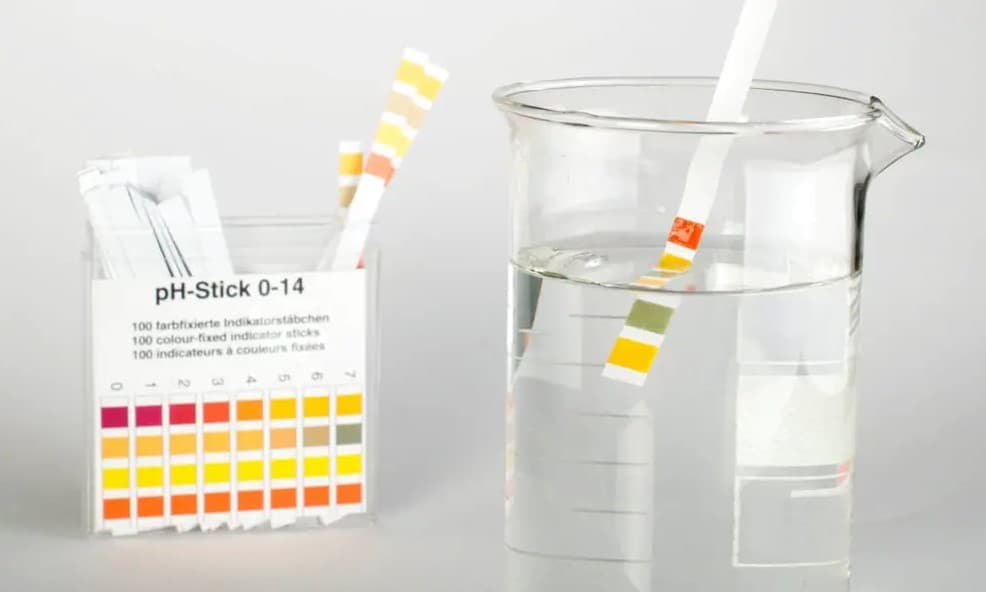
Testing water hardness is relatively simple and can be done using readily available test kits. These kits often include test strips or solutions that change color based on the water's hardness levels. By comparing the resulting color to a provided chart, one can determine the water's hardness in gpg or mg/L.
Ideal Water Hardness for Different Purposes
Water hardness plays a vital role in various aspects of our lives, and the ideal level of hardness can significantly differ depending on the specific purpose for which the water is intended. Here, we'll explore in-depth the ideal water hardness levels for different applications:
Drinking Water
When it comes to drinking water, the ideal water hardness level typically falls in the range of 3.5 to 7.0 grains per gallon (61 to 120 mg/L). This range is considered ideal because it strikes a balance between two crucial factors: taste and health.
- Taste: Water within this range often provides a pleasant taste. It's not overly soft, which can make it taste slightly salty, nor is it extremely hard, which can result in a mineral-rich flavor. Many people find water within this hardness range to be the most enjoyable to drink.
- Health: From a health perspective, water hardness within this range is generally safe for consumption. It does not pose any significant health risks. In fact, it can even contribute to daily calcium and magnesium intake, which are essential minerals for the body.
Household Appliances
Household appliances like dishwashers, washing machines, and water heaters are susceptible to the effects of water hardness. Extremely hard water can lead to scale buildup inside these appliances, reducing their efficiency and lifespan. Therefore, for household appliances, it's advisable to maintain a water hardness level below 7.0 grains per gallon (120 mg/L).
- Water Softeners: In areas where the water is naturally very hard, homeowners often install water softeners. These devices remove excess minerals from the water, preventing scale buildup and improving appliance performance.
Agriculture
In agriculture, the ideal water hardness level can vary depending on the specific crops being cultivated. Some plants are more adaptable to hard water, while others thrive in softer water conditions.
- Crop Variability: Farmers must consider both soil composition and crop type when determining the ideal water hardness. For instance, crops like rice and cotton tend to perform better in slightly hard water, whereas vegetables like lettuce and spinach may prefer softer water.
- Irrigation Systems: Modern irrigation systems often include water softening or treatment mechanisms to ensure that the water delivered to the crops aligns with their specific requirements.
Industrial Processes
Industrial processes, such as manufacturing, food processing, and boiler operations, often demand precise control over water hardness. The ideal hardness level can vary significantly based on the particular industrial application.
- Quality Control: Industries rely on water quality as an integral part of their production processes. Deviations from the desired water hardness can lead to product defects or reduced efficiency.
- Water Treatment: In industrial settings, water treatment plants are commonly used to adjust water hardness to meet specific process requirements. This may involve the addition or removal of minerals to achieve the desired hardness level.
In essence, the ideal water hardness for different purposes is a nuanced concept that takes into account factors like taste, health, appliance longevity, crop growth, and industrial efficiency. Understanding these nuances is crucial for making informed decisions about water treatment and usage in various contexts.
Conclusion
In conclusion, a good water hardness number is not a one-size-fits-all concept. It depends on the intended use of the water and can range from very soft to very hard. Understanding water hardness and its impact on various applications is essential for making informed decisions about water treatment and usage


Exchange EDB Versions-5.0, 5.5, 2000, 2003, 2007, 2010 and 2013.
MS Outlook versions- 97, 2000, 2003, 2007, 2010, 2013 and 2016.